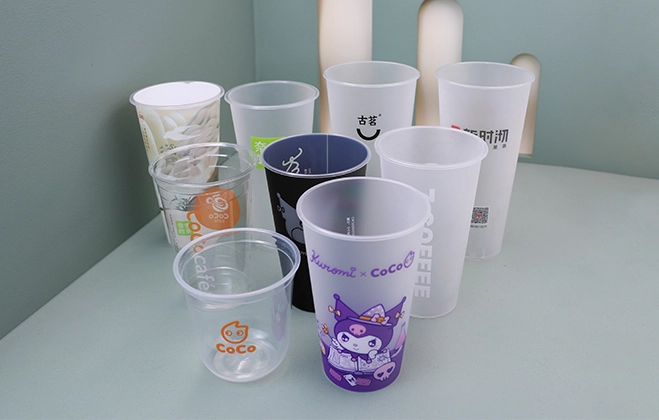
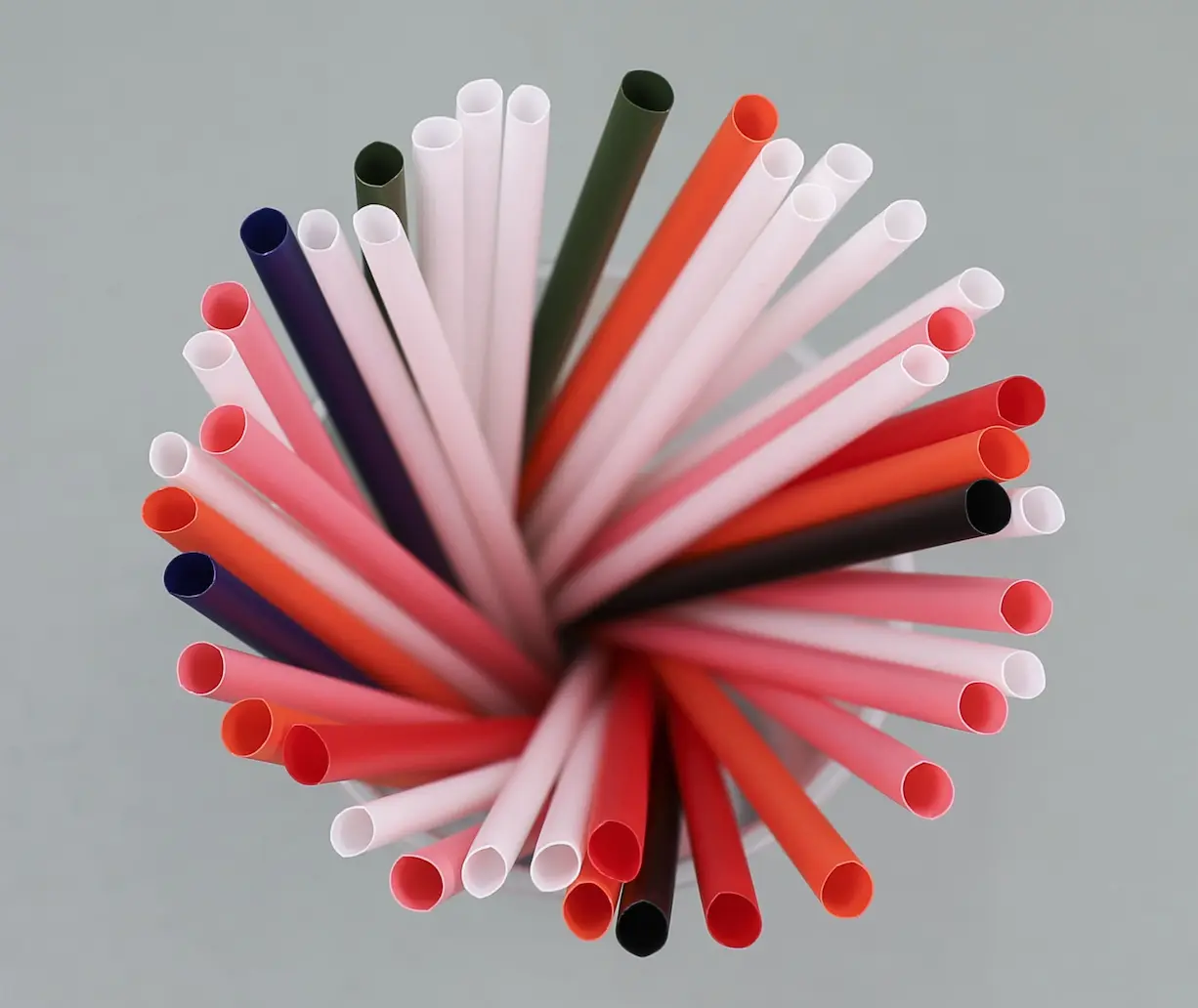
In the quest for more sustainable alternatives to traditional plastic products, PLA (Polylactic Acid) straws have emerged as a promising eco-friendly solution. Understanding what PLA straws are made of provides valuable insights into their composition, shedding light on the innovative materials that contribute to a greener and more environmentally conscious future. In this passage, we'll delve into the components of PLA straws, exploring their origins, manufacturing processes, and the impact they have on the fight against plastic pollution.
The Core Ingredient - Plant-Based Origins
At the heart of PLA straws lies a revolutionary departure from the petroleum-based origins of traditional plastics. PLA is primarily derived from plant-based sources, with the most common feedstocks being corn starch or sugarcane. This reliance on annually renewable resources marks a significant shift in material sourcing, steering away from finite fossil fuels and embracing a more sustainable approach to production.
Transformative Manufacturing Processes
The journey of PLA straws begins with the extraction of sugars from plants, typically through the fermentation of crops like corn or sugarcane. These sugars serve as the raw material for the production of lactic acid through a fermentation process. The transformation of sugars into lactic acid is a pivotal step, as it sets the stage for the creation of the PLA polymer.
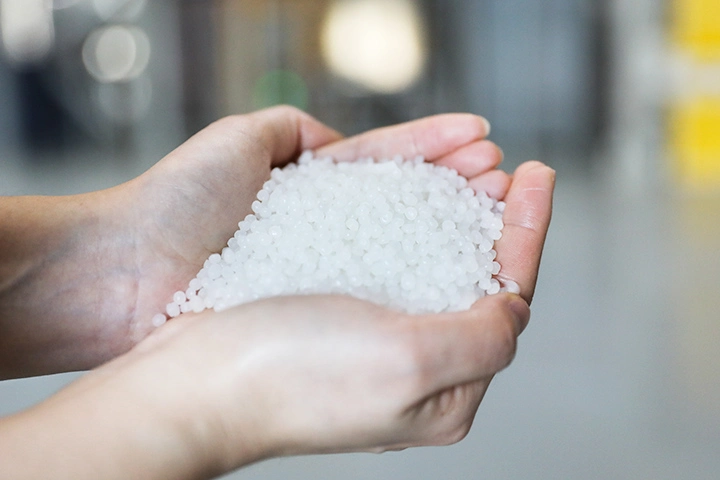
Polymerization, the process of combining smaller molecules into a larger structure, converts lactic acid into the PLA polymer. The resulting biopolymer is then molded into various forms, including the familiar cylindrical shape of straws. This transformative manufacturing process highlights the versatility of PLA and its adaptability to different applications, offering a sustainable alternative to traditional plastic straws.
Biodegradability - Closing the Loop
One of the defining features of PLA straws is their biodegradability. Unlike conventional plastic straws that persist in the environment for centuries, PLA straws break down naturally over time. Microorganisms in the soil or composting facilities metabolize PLA, converting it into carbon dioxide and water. This closed-loop cycle aligns with circular economy principles, minimizing the ecological footprint and contributing to the reduction of plastic pollution.
PLA Straws and Sustainable Consumer Choices
Understanding what PLA straws are made of empowers consumers to make informed and sustainable choices. As awareness grows regarding the environmental impact of single-use plastics, individuals are seeking alternatives that align with their values. PLA straws, with their plant-based composition, offer a tangible way for consumers to reduce their reliance on traditional plastics and contribute to a more sustainable and circular economy.
In conclusion, the composition of PLA straws reflects a departure from the conventional, petroleum-based materials that have dominated the plastic industry. With a foundation in plant-based origins, transformative manufacturing processes, biodegradability, and a focus on sustainable consumer choices, PLA straws pave the way for a greener and more environmentally conscious future. As we sip our beverages through PLA straws, we embark on a journey towards responsible consumption, where each small choice contributes to a significant impact in the global fight against plastic pollution. Choose PLA straws, and take a sip into a future where sustainability guides our everyday choices.
 English
 日本語
日本語 한국어
한국어 français
 Deutsch
 Español
 русский
 português
 العربية
 ไทย
ไทย Malay
Malay