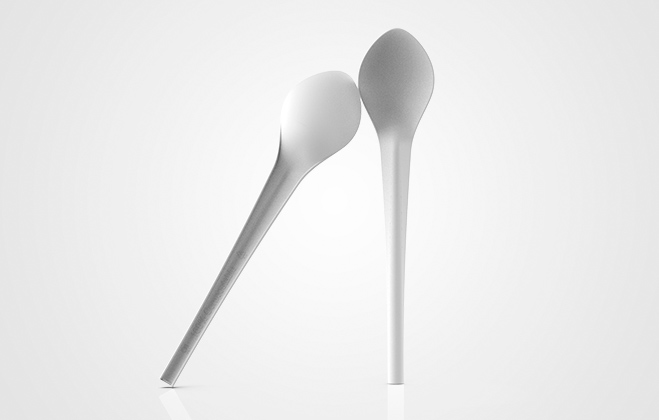
In today's context of increasing plastic pollution, PLA materials (polylactic acid) are gradually becoming an ideal substitute for traditional petroleum-based plastics due to their renewable, biodegradable, and low-carbon environmentally friendly characteristics. As a thermoplastic polymer derived from natural resources, PLA materials not only have good physical properties but also exhibit excellent environmental sustainability. This article will systematically analyze the lifecycle of PLA materials, from raw material acquisition, production process, usage stage, to the final degradation process, exploring their value in sustainable development.
Stages of PLA Material Usage
Raw Material Stage
The lifecycle of PLA materials begins in the fields. Its primary raw materials come from starches in crops such as corn, wheat, and cassava. These starches are hydrolyzed and fermented into lactic acid, which is then polymerized into polylactic acid. Compared to the significant energy consumption of petroleum-based plastics, this process has outstanding advantages of low carbon emissions and energy friendliness. The bio-based origin of PLA materials makes them a paragon of "renewable" and "low carbon" in the plastics industry.
Manufacturing Stage
During manufacturing, the greenhouse gas emissions from the production of PLA are far lower than those of traditional plastics. Studies indicate that the carbon footprint of PLA products can be reduced by over 50% compared to petroleum-based plastics. Moreover, with technological advancements, the polymerization process is becoming increasingly efficient, and the energy consumption for production continues to decrease. Overall, the manufacturing of PLA materials adheres to green chemistry principles, significantly reducing environmental damage.
Usage Stage
PLA materials, with their good transparency, mechanical strength, and biocompatibility, are widely used in various fields:
Packaging: food packaging, express cushioning materials, biodegradable bags;
Consumer Goods: disposable tableware, textile fibers, household items;
Medical Field: absorbable sutures, drug carriers, 3D printing models.
In the usage stage, PLA exhibits good performance similar to ordinary plastics and does not release toxic substances, making it harmless to humans, thus reflecting its characteristic of balancing safety and practicality.
Recycling and Degradation Stage
The most notable environmental attribute of PLA materials is manifested in the final stage of their lifecycle: biodegradability.
Under industrial composting conditions (high temperature, high humidity, sufficient oxygen), PLA can decompose into carbon dioxide and water within a few months;
In soil or aquatic environments, the degradation time is relatively longer, but it can eventually be completely degraded by microorganisms;
The degradation products are non-toxic to the environment and do not form microplastic residues.
Additionally, PLA materials also support physical recycling for reuse in manufacturing new materials, extending their lifecycle.
Environmental Value of PLA Materials
Reducing Carbon Footprint: From raw material cultivation to product use, the full lifecycle carbon emissions of PLA materials are significantly lower than those of petrochemical plastics, helping to mitigate climate change.
Promoting Resource Circulation: The degradability of PLA means its waste no longer becomes an environmental burden but can re-enter the natural cycle, fostering a "cradle-to-cradle" closed-loop economy.
Reducing Petroleum Dependency: As a non-petroleum-based material, PLA helps diversify the energy structure of the plastics industry, alleviating pressure on fossil energy.
With the global advancement of plastic bans and the enhancement of environmental awareness, PLA materials are facing rapid market growth opportunities. Each stage of the PLA material lifecycle tightly revolves around the three core concepts of "environmentally friendly," "renewable," and "biodegradable," perfectly interpreting the ecological closed loop from the birth of green materials to their return to nature. As one of the suppliers of PLA materials, GoodBioPak will undoubtedly play an increasingly important role in promoting the green transformation of the plastics industry and building a sustainable society.
 English
 日本語
日本語 한국어
한국어 français
 Deutsch
 Español
 русский
 português
 العربية
 ไทย
ไทย Malay
Malay