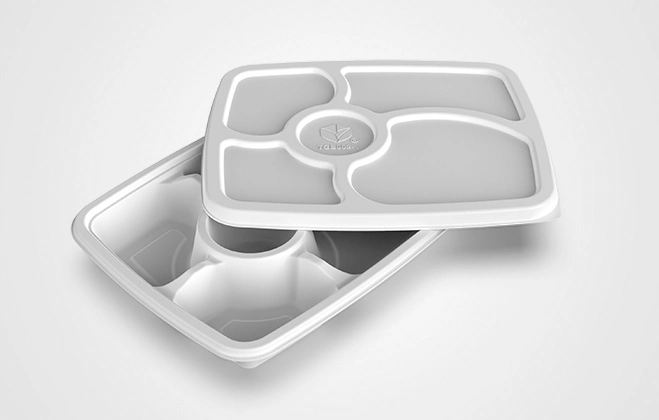
As environmental regulations become increasingly stringent and public awareness of sustainability continues to rise, the promotion of bio-based, biodegradable plastics is entering a practical stage. At the heart of this trend, PLA materials (polylactic acid) have gained wide application in packaging, healthcare, and 3C (computer, communication, and consumer electronics) products due to their renewability, biodegradability, and biocompatibility. However, biodegradability is only the first step. Achieving true sustainability requires a focus on recycling and reuse.
GoodBioPak has been deeply engaged in the biodegradable materials sector, committed to building a comprehensive PLA solution that covers the entire lifecycle—from raw material production and product design to end-of-life treatment—driving the implementation of a circular green economy.
Primary Recycling Methods for PLA Materials
Among all disposal methods, industrial composting is currently the most mature and controllable approach for degrading PLA materials. Under high-temperature (>50°C), high-humidity, and aerobic composting conditions, PLA can be broken down by microorganisms within weeks into carbon dioxide, water, and biomass. This process is not only clean and efficient but also returns organic matter to the soil as compost suitable for agricultural and horticultural use—truly embodying the principle of "from nature, back to nature."
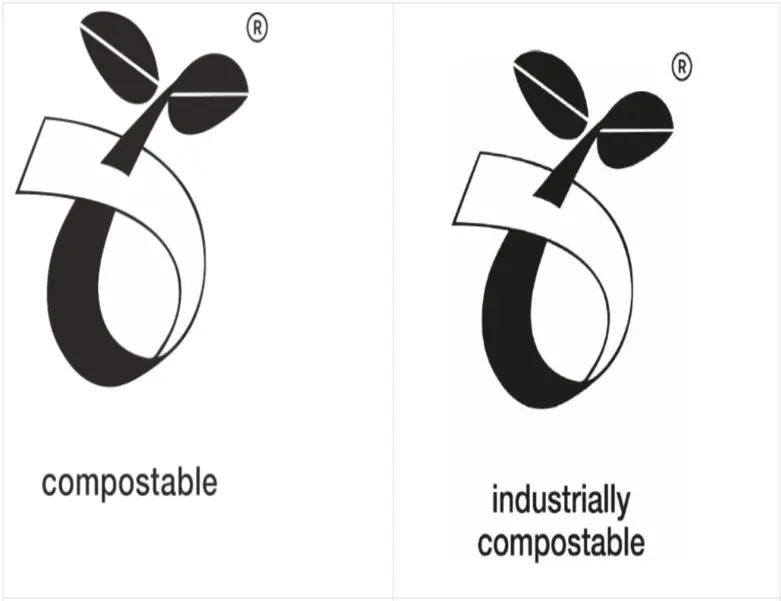
All PLA products by GoodBioPak comply with international industrial composting standards such as BPI (U.S.) and OK Compost (EU), with complete certification systems in place to ensure their compatibility with composting facilities and smooth biodegradation. This forms a core part of our PLA solution, extending the product lifecycle to the final mile.


In addition to industrial composting, PLA materials can also be reused through other methods such as mechanical recycling, chemical recycling, thermal cracking, and anaerobic digestion. Mechanical recycling involves physically re-melting used PLA to produce new products, suitable for clean, high-purity PLA waste. Chemical recycling, on the other hand, breaks PLA down into lactic acid monomers, offering potential for high-end remanufacturing.
GoodBioPak is collaborating with multiple research institutions to develop scalable recycling technologies, continually expanding the "end-of-life loop" capabilities of its PLA solution, and bringing technologies from the lab to industrial application.
Challenges in PLA Materials Recycling
While PLA materials inherently possess excellent degradability and recyclability, real-world adoption still faces challenges. First, dedicated PLA composting and recycling facilities are not yet widely available globally, and existing collection systems remain underdeveloped. Second, public awareness of how to distinguish PLA from conventional plastics is limited, resulting in low sorting accuracy and high contamination rates. Additionally, some PLA products incorporate non-compostable components, impairing degradation and placing greater demands on recycling systems.
In response, GoodBioPak not only provides certified, compliant products but also integrates consumer education and product design optimization into its PLA solution, improving feasibility from production to recycling.
Against the backdrop of green development, GoodBioPak will continue to advance technological innovation and ecological integration across the PLA industry chain. From material research to composting infrastructure, we aim to build a complete and efficient PLA solution. Sustainability is not just about material performance, but about every stage from creation to decomposition. Through scientific methods, reliable technology, and full-lifecycle thinking, GoodBioPak is working with partners across sectors to contribute its expertise and commitment toward a cleaner, more circular world.
 English
 日本語
日本語 한국어
한국어 français
 Deutsch
 Español
 русский
 português
 العربية
 ไทย
ไทย Malay
Malay